
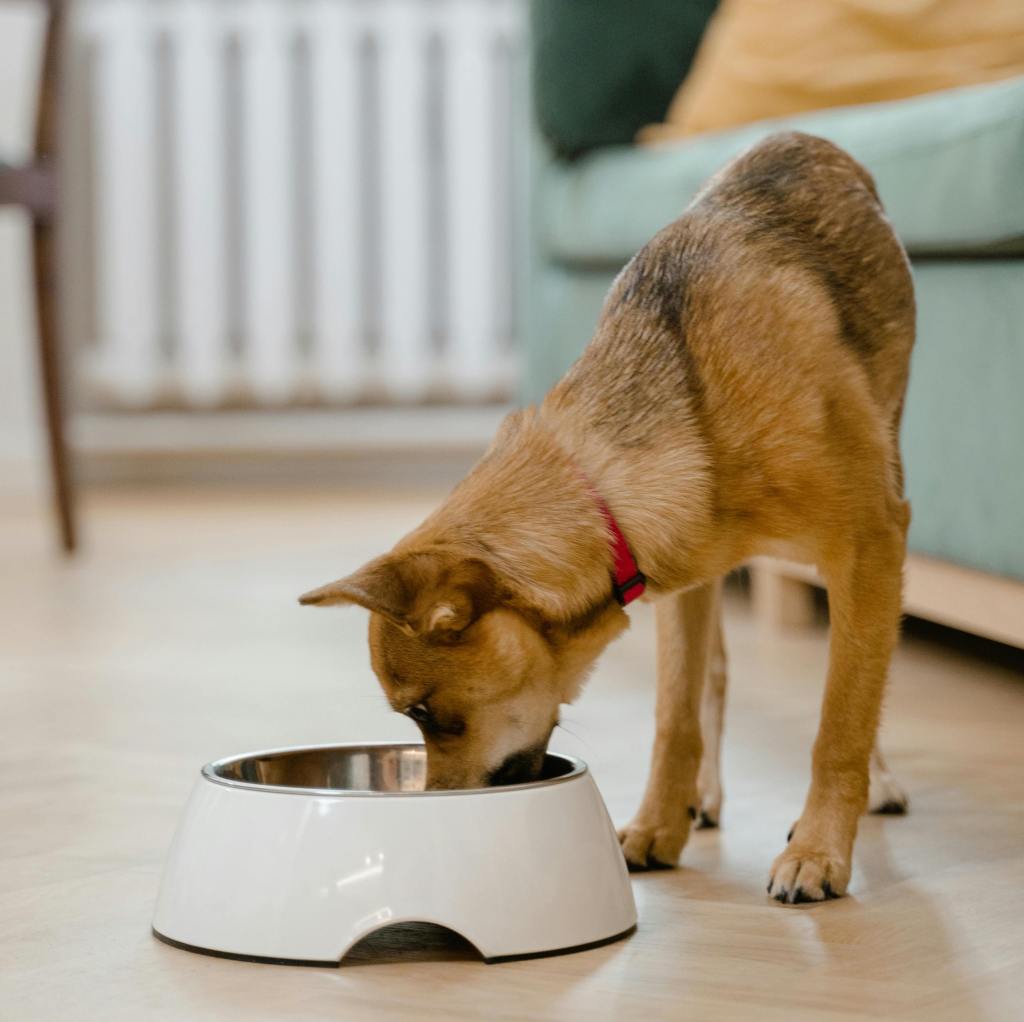
Dogs, like humans, have a handful of basic needs to stay alive. But you want to do more than just keep your dog alive. You want your dog to live the happiest and healthiest life possible.
When considering how to provide this kind of life for your dog while keeping him well-adjusted and disciplined, always ask yourself one question: “How would I like to be treated?” Granted, there are a few exceptions. But this answer will likely be the solution to most of the questions you may have about how to properly care for a dog.
While most dog owners treat their pets with love and respect, some do not. Whether or not the mistreatment of animals is due to inexperience or other factors, it is each dog owner’s responsibility to properly care for an animal. Thankfully, there are strict laws that prohibit cruelty to animals in the form of neglect, abuse, or dog fighting.
It is part of Best Friend’s mission to educate the public about what it is to be a responsible pet owner. We also want to educate our potential foster parents about what can be expected of those generous enough to give their time and energy to care for one of our rescue dogs.
TN Cruelty Laws: https://www.animallaw.info/statute/tn-cruelty-consolidated-cruelty-statutes
TN Rabies Law: https://www.tn.gov/health/information-for-individuals/i/fact-sheets/rabies.html
Here are some basic dog care tips every pet owner should know:
- Dogs must have access to clean drinking water at all times. A dog’s water bowl should be cleaned with soap and water at least once every few days to prevent bacteria from growing inside the bowl.
- Dogs should be fed high-nutrition dog food
- Dogs need adequate shelter from heat, cold, wind, rain, snow, and other weather.
- Dogs should be bathed regularly and treated for fleas and ticks.
- Dogs need frequent exercise in the form of running, jumping, and playing. Exercise not only keeps their bodies healthy, it is also a stress-relieving activity for both you and your pet.
- Veterinary care and/or yearly check-ups.
- Never hitch, tie, or fasten a dog to a tether, runner, or chain as a method of pet containment.
- Keeping your dog safe is more than just preventing him from running away.
Here are some common myths about how to properly contain a dog:
• Myth: It is okay to leave my dog tied to a runner when I’m not home.
• Fact:It is NOT okay to tie your dog to a runner or keep your dog tethered to a chain or rope, regardless of whether you are at home or not. Dogs can easily get tangled in chain or rope and suffer injuries and even death by strangulation. The best way to keep your dog contained is with a high fence or gate your dog cannot climb or jump. You also want to make sure your fence is secure enough to prevent other animals from entering.
Many pet owners still do not know how dangerous it is to keep a dog tied to a runner. In fact, it is illegal in some countries to keep a dog tethered at all.
• Myth: I can keep my dog in the car with the windows cracked on a warm day.
• Fact:It is NOT okay to leave your dog locked inside a car even on a moderately warm day. Your car acts as a greenhouse, trapping the sun’s heat and causing the temperature inside your car to become potentially lethal. A study conducted by Stanford University showed the internal temperature of a car can reach up to 116 degrees Fahrenheit within 60 minutes on a 72-degree day, even with all four windows cracked.
• Myth: It is a good training method to keep my dog in a crate when he misbehaves.
• Fact: Crates provide dogs with a “den” they can use to feel safe and secure. However; when crates are used to punish dogs for misbehaving, they become tiny prisons. Crating has been found to do little to fix behavioral issues in dogs and can even make them worse by creating a vicious cycle. Instead of sending your dog to a crate, address the behavior issue using positive reinforcement. Training through positive reinforcement not only permanently fixes your dog’s behavior issue; it also strengthens the bond between you and your dog and makes for a happier and emotionally healthier dog.
How Much to Feed a Dog
Feeding a dog the right amount of food is important to keeping your pet at a healthy weight. Feeding a dog too much can cause obesity that can shorten your dog’s life. On the other hand, not feeding your dog enough comes with other health consequences, such as malnutrition.
How much you feed your dog depends on his age, activity level, and the type of dog food you feed. Younger, more active dogs burn more calories and need more food to maintain the same weight. Older, less active dogs need less. Finally, the type of food can greatly affect how much you need to feed your dog.
Each brand of dog food is made using a different recipe. As with human food, the more high-quality dog foods usually cost more because they contain more nutrition in each bag. A good quality dog food will allow you to feed your dog less while providing the needed amount of nutrition. Because nutritional content varies by dog food brand, you should always read dog food labels to get the recommended feeding schedule. If you aren’t sure, consult with a veterinarian.
Why Feed Your Dog High-Quality Dog Food
Feeding your dog high-quality dog food with premium ingredients is better for your dog’s health. Basically, you can feed your dog more with less because each bag of dog food contains a higher percentage of nutrition and less “filler”. (Old Roy is NOT an acceptable food for any dog.) Eating less while getting the recommended amount of nutrition is also good for your dog’s digestive system. Dogs that eat low-quality food containing large amounts of “filler” ingredients need to go to the bathroom more often. This is because the dog must eat more to get the same amount of nutrition. Eating too much low-quality dog food is the cause of many digestive problems in dogs. If you see that your dog often has messy stools, unpredictable potty breaks, or lots of potty “accidents”, consider the quality of food you are feeding.
How to Judge Your Dog’s Weight
A good way to find out if your dog is overweight is to run your hands over his sides. If you cannot feel his ribs easily, then it’s a good indication that your dog is overweight and you should consider feeding him less. On the other hand, if you can see a dog’s ribs, then he may be underweight. This may be hard to see if your dog has lots of thick fur. If you aren’t sure, consult a veterinarian.
 Best Friends Sanctuary